
Author
How to Find Influencers on Instagram Using a Structured Discovery Process
Finding influencers on Instagram is often treated as a browsing exercise. Brands scroll through posts, follow recommendations, or rely on surface-level signals such as follower count. However, finding influencers on Instagram who align with your brand’s values and audience can be tricky. The right influencers can help you connect with potential customers authentically, but where do you start?
Instagram influencer discovery works best when it follows a defined process. Effective discovery starts with preparation, continues through structured filtering, and ends with informed evaluation. Without this structure, teams risk selecting creators who look relevant but fail to deliver meaningful outcomes.
We’ll show how to find influencers on Instagram using a systematic approach. It focuses on preparation, discovery methods, vetting criteria, and outreach readiness. The goal is to help marketing teams move from ad hoc discovery to a repeatable process that supports long-term influencer partnerships.
Why Finding Influencers on Instagram Requires Structure
Instagram offers a large and constantly changing pool of creators. New accounts gain visibility quickly, formats shift, and audience behavior evolves over time. Without a structured approach, influencer discovery becomes inconsistent and difficult to repeat.
Unstructured discovery often relies on surface signals such as follower count or visual appeal. These signals can be misleading. A large audience does not guarantee relevance, trust, or performance. Structure helps separate visibility from suitability by introducing clear criteria and checkpoints.
A defined process also supports scale. As campaigns grow in number or complexity, discovery needs to be efficient and comparable across creators. Structure allows teams to evaluate influencers using the same standards, document decisions, and refine their approach over time. This leads to better alignment between brand goals, creator capabilities, and audience response.
Find out: Top Healthcare Influencers on Instagram to Follow
What to Define Before Searching for Instagram Influencers
Before starting influencer discovery on Instagram, it is important to clarify a few foundational elements. These definitions guide who should be considered and who should be excluded. Without them, discovery becomes broad and inefficient, leading to shortlists that are difficult to evaluate.
1. Define your ideal Instagram influencer
Not all influencers are the same. They typically fall into these categories:
- Nano Influencers (1K–10K followers): High engagement, affordable, hyper-local.
- Micro Influencers (10K–100K followers): Known for their strong niche authority, great for conversions.
- Macro Influencers (100K–1M followers): Offer wider reach, brand visibility and higher cost.
- Mega Influencers (1M+ followers): Ideal for global brand awareness campaigns. Massive visibility, but less personal connection.
2. Define campaign objective
The campaign objective defines what the collaboration is meant to achieve. Objectives may include awareness, product education, traffic, or conversions. Different objectives favor different creator types, formats, and audience sizes. Defining the objective early prevents misalignment later in the process.
3. Define target audience
The target audience determines which creators are relevant. Audience definition includes demographic factors such as age, location, and language, as well as interests and purchasing behavior. Influencers are effective when their audience closely matches the audience the campaign is trying to reach.
4. Define content format requirements
Instagram supports multiple formats, including posts, Stories, Reels, and long-form video. Some creators specialize in a single format, while others perform across several. Defining format requirements early helps narrow discovery to creators who already produce the type of content the campaign needs.
5. Define budget and scale constraints
Budget affects which creators can be realistically considered and how many collaborations can be supported. Scale constraints include the number of creators required and whether the campaign is short-term or ongoing. Clear constraints make discovery more focused and easier to manage.
6. Define collaboration intent
Some campaigns are designed as one-time activations, while others aim to build longer relationships. Collaboration intent influences how creators are evaluated, how much onboarding is required, and how performance is measured. Clarifying this intent helps guide discovery decisions from the start.
How to Find Influencers on Instagram: Discovery Methods
Once the groundwork is in place, discovery can begin. Instagram offers multiple ways to identify potential influencers, each revealing different signals about creator relevance, activity, and audience alignment. No single method is sufficient on its own. Effective discovery combines several approaches to build a balanced and informed shortlist.
1. Find Instagram Influencers Using Hashtags
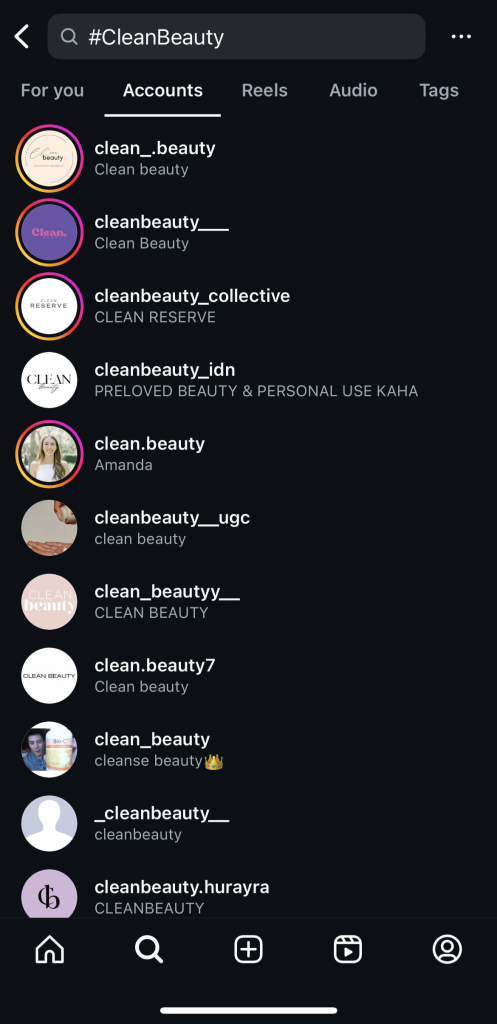
Hashtags surface creators who actively publish content within a specific topic or category. By reviewing recent posts under relevant hashtags, brands can identify creators who consistently produce niche-related content. Engagement patterns under these posts provide early signals of audience interest and responsiveness.
Narrow, category-specific hashtags tend to surface creators with a clearer topical focus. For example, a skincare brand may learn more from reviewing posts under tags such as #CleanBeauty than from broad discovery terms that attract general lifestyle content.
Hashtag discovery works best when focused on a narrow set of terms. Broad hashtags often surface high-visibility accounts that are less relevant or overly saturated with sponsored content.
2. Find Influencers Through the Instagram Search and Explore
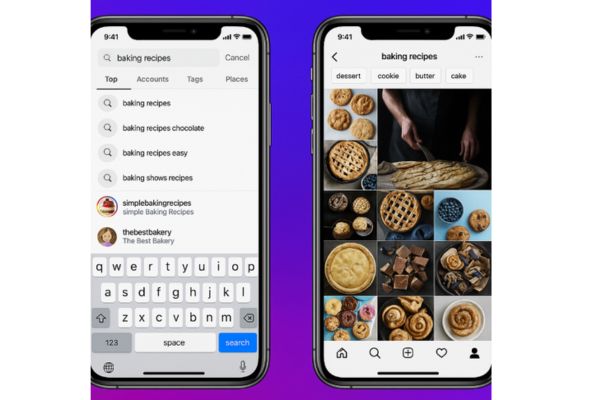
Instagram’s search and Explore features surface creators based on keywords, viewing behavior, and engagement patterns. Searching by topic keywords helps identify accounts that explicitly position themselves within a niche. The Explore feed introduces creators that are gaining traction within related interest clusters.
This method reflects how Instagram itself surfaces content to users. Creators discovered through Explore often align with current platform formats and audience behavior.
3. Find Instagram Influencers Using Competitor and Peer Analysis
Competitor analysis reveals creators who are already working within the same market. Reviewing tagged posts, disclosures, and recurring partnerships helps identify influencers familiar with similar products or audiences. Sponsored disclosures such as #Ad, #Sponsored, or #Partner help identify creators who are already working with brands in the category and understand commercial collaboration expectations.
This approach should be used for observation rather than duplication. The goal is to understand which creator profiles perform well within the category, not to replicate campaign ideas.
4. Find Instagram Influencers Using Influencer Platforms and Databases
Influencer platforms aggregate creator data and apply filters based on audience size, location, engagement, and content type. These tools reduce manual research and support comparison across multiple creators.
Platforms are most effective when used as discovery and validation layers. Final decisions still require manual review of content, audience interaction, and posting behavior.
5. Find Instagram Influencers Using Location and Community Signals
Location tags, event posts, and community-specific hashtags help surface creators tied to a geographic area or shared context. Local creators often have smaller but more concentrated audiences, which can be valuable for regional campaigns or physical locations.
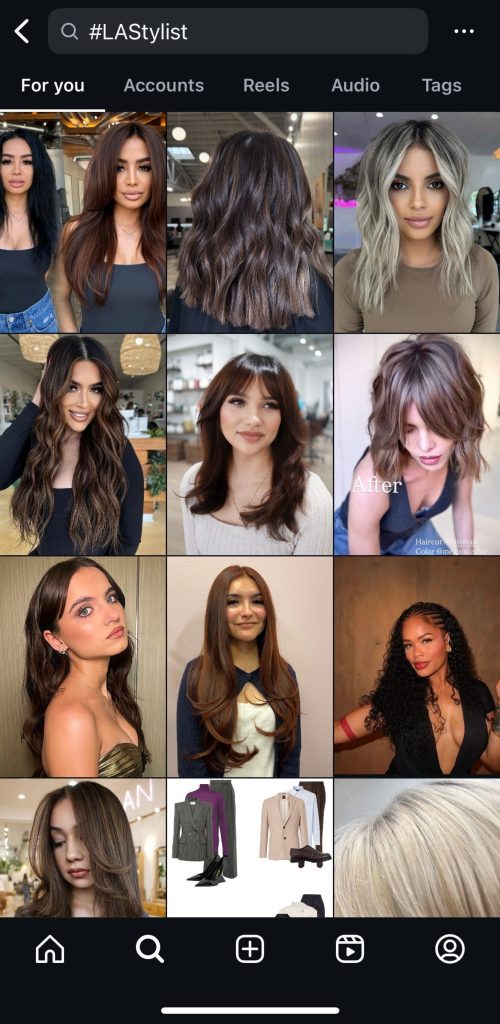
When geography matters, location-based hashtags can further narrow discovery. Tags such as #NYCFoodie or #LondonFashion often reveal creators whose audiences are concentrated in a specific market.
Community signals also reveal how creators interact with their audience beyond sponsored posts.
6. Find Instagram Influencers Using Existing Brand Audience
Brands often overlook creators already engaging with their content. Followers, tagged posts, mentions, and user-generated content can surface creators who are already familiar with the product or service.
Discovery within the existing audience reduces onboarding effort and often results in more authentic collaborations.
How to Vet Instagram Influencers for Authenticity
Vetting is the stage where discovery turns into selection. At this point, the goal is not to find impressive profiles, but to confirm whether a creator can support the campaign’s objectives without introducing unnecessary risk. Careful vetting reduces misalignment and protects both performance and brand credibility.
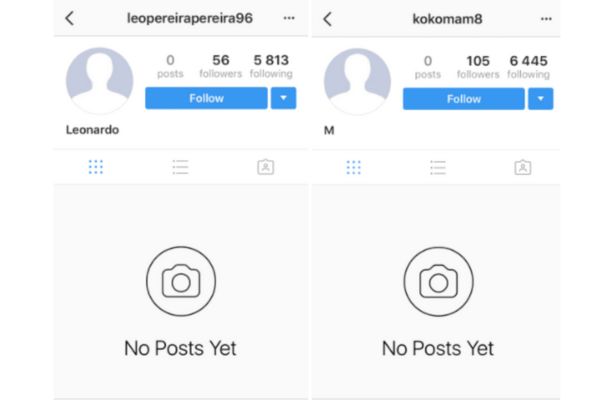
Audience authenticity is the first signal to review. A genuine audience shows stable growth, consistent interaction, and comments that reflect real engagement. Large followings with limited or repetitive interaction often indicate inflated numbers rather than meaningful reach.
Demographic alignment determines whether the creator’s audience matches the intended campaign audience. Location, language, age range, and interests all influence whether content reaches people who are likely to respond. Strong alignment improves relevance and reduces wasted impressions.
Engagement consistency matters more than isolated performance. Reviewing interaction across multiple posts helps identify whether engagement is sustained or driven by occasional trends. Consistent engagement suggests a stable relationship between the creator and their audience.
Content history and brand safety should be reviewed before outreach begins. Past posts reveal tone, values, and how the creator integrates sponsored content. Disclosure practices and previous brand partnerships provide insight into professionalism and compliance.
Collaboration patterns help predict future performance. Creators who promote competing products frequently or publish sponsored content at a high volume may experience audience fatigue. Understanding these patterns supports better long-term collaboration decisions.
Best Practices for Reaching Out to Influencers
Influencer outreach is most effective when it follows preparation rather than impulse. Contacting creators without clear inputs often leads to slow responses, misaligned expectations, or extended negotiation. Preparing the necessary information in advance helps outreach remain focused and professional.
Information to prepare before contact: Before reaching out, brands should have a clear understanding of the campaign scope. This includes the product or service being promoted, the intended content format, the platform, and the expected timeline. Clear inputs allow creators to quickly assess whether the collaboration is relevant to their audience and workload.
Expectation setting: Expectations define how the collaboration will operate. This includes deliverables, review processes, disclosure requirements, and publishing windows. Setting expectations early reduces revisions and avoids misunderstandings later in the process.
Compensation clarity: Compensation clarity is equally important. Whether the collaboration is fee-based, performance-based, or product-driven, the structure should be understood before discussions begin. Unclear compensation often delays responses or leads to misaligned discussions.
Alignment before negotiation: Outreach works best when basic alignment exists before negotiation starts. Alignment includes audience relevance, content format fit, and campaign objectives. When these elements are aligned, negotiation becomes a refinement process rather than a correction exercise.
Turning Instagram Influencer Discovery Into a Repeatable System
Finding a great influencer once can feel like luck. Building a consistent stream of thoughtful partnerships requires something more deliberate. It comes from turning what works into a steady practice.
This is not about building a rigid system. It is about creating a repeatable rhythm that helps you move from searching to collaborating with clarity, campaign after campaign. When the process is familiar, decisions become easier and more confident over time.
Keep good notes
The first step is moving beyond scattered screenshots and forgotten usernames. A simple central record becomes one of the most useful tools you can maintain. It does not need to be a formal database. A working document is often enough.
Instead of recording only handles and follower counts, note the details that explain why a creator stood out. This might include the tone of their captions, the way their audience responds, or why their style felt like a natural fit. After a campaign ends, add a short reflection on what worked well and what could improve next time. Over time, this record becomes shared memory, saving effort and reducing guesswork.
Build a roster of potential partners
As your notes grow, patterns begin to emerge. Certain creators will consistently feel aligned with your brand, while others stand out for their reliability or connection with a specific audience. Grouping these creators makes future discovery more efficient.
These groupings do not need to be rigid. One list may include creators you admire and would like to work with when timing allows. Another may include creators who have already proven effective. Others may simply be creators worth revisiting later. The goal is familiarity, not classification. When a new campaign begins, you already know where to look.
Let the process evolve over time
A useful system is not fixed. Its value comes from reflection. After each collaboration, it helps to pause and review what you learned. Some formats may perform better than expected. Certain styles of communication may lead to smoother collaboration.
These insights should inform the next round of discovery. Over time, you may adjust how you evaluate engagement, how you assess content quality, or which formats you prioritize. This gradual refinement is what makes the process sustainable and more effective with each campaign.
Aim for a cohesive presence
Consistency matters, not through uniformity, but through overall coherence. When audiences encounter your brand through different creators, there should be a sense of familiarity.
This comes from clear guidance and respectful collaboration. Simple direction around brand values and messaging helps creators stay aligned without limiting their voice. It also comes from listening. Asking creators how the process felt often reveals small improvements that make future collaborations smoother and more natural.
In the end, a repeatable system is simply the result of paying attention, documenting what works, and applying those lessons thoughtfully. It replaces uncertainty with clarity and turns influencer discovery into a process you can return to with confidence.
Final Takeaway:
Finding the right voices on Instagram doesn’t have to feel like searching for a signal in the noise. What often begins as a scattered effort, marked by endless scrolling, instinctive choices, and occasional success, can gradually become something quieter and more reliable: a practiced rhythm.
The goal of a structured process is not to mechanize creativity or remove human connection. It serves the opposite purpose. By taking time to prepare, approaching discovery with care, and vetting creators thoughtfully, you create the conditions for genuine partnerships to develop. This shift moves the focus away from chasing trends and toward building relationships with creators whose audiences truly align with your own.
The real value appears when these steps are connected into a consistent practice. Keeping clear notes, building a roster of trusted voices, and refining your approach over time are not restrictive tasks. They are simple habits that reduce the need to constantly start over and allow more attention to be placed where it matters most: collaboration, creativity, and authentic storytelling.
Begin with clarity, proceed with intention, and allow each campaign to inform the next. Over time, influencer marketing becomes less about running campaigns and more about cultivating a community through thoughtful, well-chosen partnerships.